

The sound of a dental drill can make some people uncomfortable, especially when they need a filling or another repair. If you are looking for a dentist in Duncan, you may wonder whether treatment is possible without the familiar drilling noise. Air abrasion offers another option for selected procedures. It uses fine particles instead of a rotating bur, although it cannot replace a dental drill in every situation.
What Is Air Abrasion in Dentistry?
Air abrasion uses compressed air to direct fine particles onto a tooth. These particles can remove small areas of decay or prepare the surface before a restoration is placed.
Without a rotating bur, the procedure has a different sound and produces less vibration than conventional drilling. You may find it more comfortable, though some sensitivity may still occur.
Can Air Abrasion Remove an Old Filling?
Yes, certain existing fillings may be removed or adjusted with air abrasion. For air abrasion old filling removal, the material and condition of the restoration matter. The technique may be useful when a small amount of the older composite needs to be removed.
Air abrasion is not usually used to remove amalgam fillings. Certain composite fillings may be suitable for this technique, depending on how much material needs to be removed.
An old filling may remain in place if it is still sound. However, a chipped edge, loose filling, or decay around it can indicate that repair or replacement is needed.
Can Air Abrasion Prepare a Tooth for Bonding?
Air abrasion can clean or lightly roughen a tooth surface before certain bonding procedures. This helps prepare the area for composite resin, a tooth-coloured material used to repair chips and minor defects.
This makes bonding prep without drilling possible in selected cases. However, air abrasion does not replace the entire bonding process. Your dentist may still apply an etching solution and adhesive before placing the composite.
How Does Air Abrasion Compare With a Dental Drill?
The main difference between air abrasion vs. dental drill treatment is how the tooth is prepared. A drill uses a rotating bur to remove tooth structure, while air abrasion directs fine particles at the treatment area.
Air abrasion is quieter than a dental drill and causes less vibration. For some small procedures, you may not need an injection to numb the tooth.
A conventional drill is still useful for deeper decay and situations where the tooth needs more extensive shaping. Your dentist may also use both methods during one appointment if different areas need attention.
Is Drill-Free Cavity Treatment Suitable for Everyone?
No. Drill-free cavity treatment may be suitable for small areas of early decay that are easily accessible. It is less useful when a cavity is deep, extensive, or in a location the handpiece cannot access properly.
Air abrasion requires suction to collect the fine particles released during treatment. A tooth with deep decay, a large filling, or a crack may need a different approach. Any damaged tooth material must still be removed before the restoration is placed.
What Happens During an Air Abrasion Appointment?
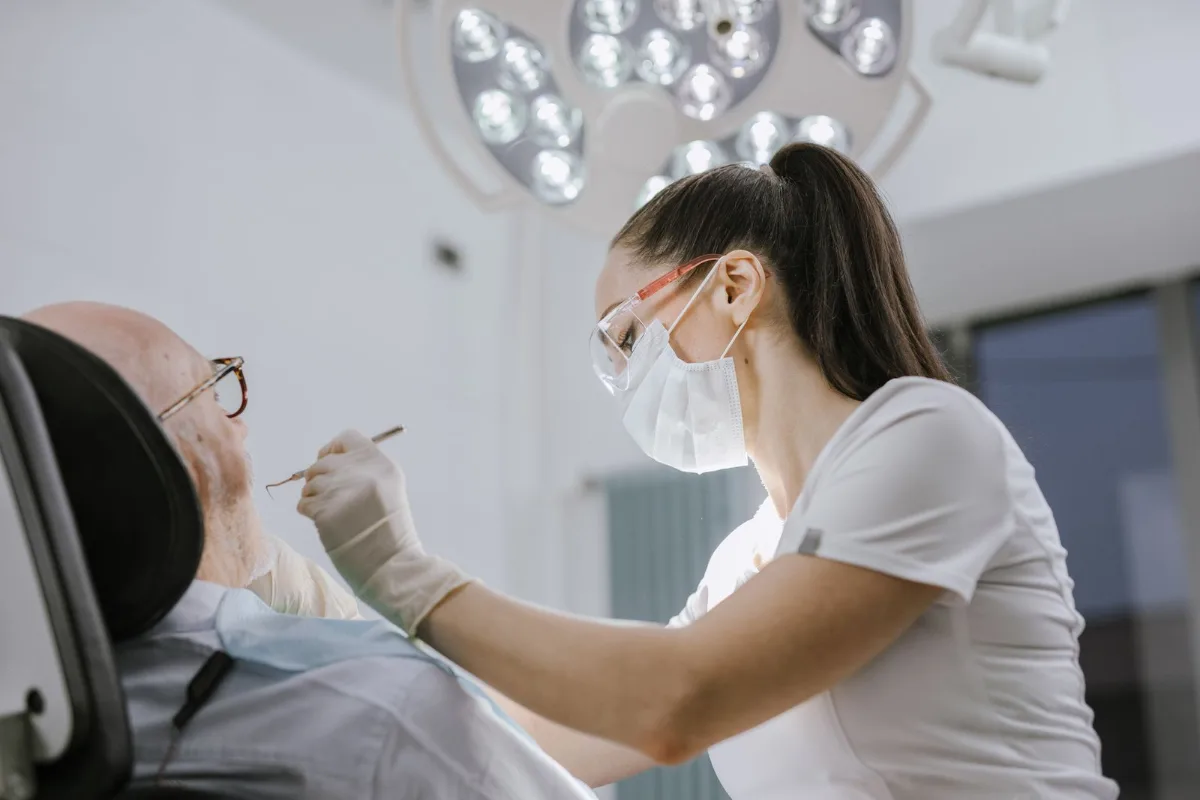
A dentist near you examines the tooth and may take X-rays if decay or damage is difficult to see. They will check any existing filling and decide whether air abrasion is suitable.
During treatment, the handpiece directs fine particles toward the area. Suction collects the particles and debris. If a filling or bonding repair is needed, the dentist prepares the surface before placing and shaping the restorative material.
The steps vary depending on whether the tooth needs decay removal, filling adjustment, or bonding preparation.
Can Air Abrasion Be Part of Minimally Invasive Dentistry?
Air abrasion can be useful in minimally invasive dentistry in the Cowichan Valley when only a small area of the tooth needs attention. It may help preserve surrounding healthy structure and can be considered for certain minor areas of decay or surface preparation before bonding. More extensive damage may require a conventional drill.
If you are looking for an air abrasion dentist in Duncan, BC, ask whether the method is suitable for your tooth. A dentist can explain the procedure and other available approaches.
Discuss Your Treatment Options
An old filling or damaged tooth may need attention to maintain its strength and appearance. Contact Cowichan Valley Dental Group to book an assessment, discuss your concerns, and learn whether dental bonding or another treatment may be suitable. A dental examination can help determine the right approach based on your tooth’s condition.
Book your appointment today to discuss your treatment options and plan your next steps.
Frequently Asked Questions
Is Air Abrasion Painful?
Some people experience little discomfort during smaller procedures. Sensitivity can still occur, and local anesthetic may be needed.
Can Air Abrasion Remove a Silver Filling?
It is not generally the preferred method for removing amalgam fillings. Your dentist can explain the appropriate removal method.
Can Air Abrasion Replace the Dental Drill?
No. It works for selected procedures, but deeper decay and extensive tooth preparation may still require a conventional drill.
Can air abrasion remove all types of old dental fillings?
No. Air abrasion may help remove small areas of tooth decay or prepare certain surfaces, but it may not be suitable for removing all types of old fillings. The dentist will assess the filling material, its condition, and the extent of tooth structure involved before choosing the appropriate method.