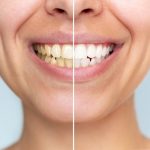



A cavity in a front tooth can affect both your oral health and the look of your smile. The right treatment depends on how large the cavity is, how much healthy tooth remains, and whether the damage reaches the inner part of the tooth. A dental clinic in Duncan can examine the tooth and explain which treatment may protect it while keeping your smile looking natural. A small cavity may need only a filling, while a larger area of damage may need bonding or a crown. These treatments do not serve exactly the same purpose. A filling repairs a hole caused by decay, bonding rebuilds damaged areas of the tooth with tooth-coloured material, and a crown covers much of the tooth when more support is needed.
The best choice is not always the most complex treatment. Treating decay early may help preserve more of the natural tooth and reduce the chance of further damage.
When Is a Front Tooth Cavity Filling Enough?
A front tooth cavity filling may be suitable when decay has created a small or moderate hole and enough healthy tooth remains. The dentist removes the decayed part and fills the space with a material, often tooth-coloured composite resin.
This material can be shaped to match the tooth’s natural colour and outline. It is commonly used for front teeth because it can blend with the surrounding teeth.
A filling may be suitable when:
- The cavity is small or moderate in size.
- The tooth still has enough healthy structure.
- The damage has not made the tooth too weak.
- The inner part of the tooth does not need further treatment.
The dentist may recommend another option if the cavity is very large, the tooth is cracked, or decay has reached the pulp, which contains nerves and blood vessels.
When Can Dental Bonding Help?
Dental bonding uses tooth-coloured resin to repair small chips, worn edges, gaps, or certain areas of tooth damage. It can also rebuild the shape of a front tooth after decay has been treated.
Bonding and fillings may use the same material, but they have different uses. A filling fixes tooth decay, while bonding helps repair a tooth’s shape or look. Sometimes, one treatment can do both.
Bonding may be considered when:
- A small part of the tooth is damaged.
- The tooth needs its shape or edge rebuilt.
- A natural-looking repair is important.
- Enough healthy tooth remains to support the material.
Bonding can chip or wear over time and may need repair or replacement. Decay must be removed before the tooth is rebuilt.
When Is a Crown the Better Choice?
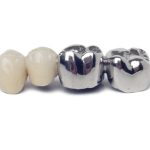
A crown covers most of the visible part of a tooth. It may be recommended when a cavity is large, or the tooth has lost too much structure to support a filling or bonding alone.
A crown may help protect a weakened tooth from further damage during biting. However, placing a crown usually requires removing some healthy tooth structure to make room for it, so it is not always the first choice for a small cavity.
A crown may be considered when:
- A large area of the tooth is damaged.
- A previous filling has failed, and little healthy tooth remains.
- The tooth has a crack that needs added protection.
- The tooth needs a root canal and requires further protection.
The choice depends on the tooth’s condition, not simply on whether the cavity is visible when you smile.
How Does Appearance Affect the Choice?
Front teeth are easy to see when talking and smiling, so colour and shape matter. Cosmetic dentistry in Duncan can include treatments that repair front teeth while considering their natural appearance.
Composite resin can often be matched to the surrounding teeth. Crowns can also be made to look natural, but the best material depends on the amount of damage, bite pressure, and other dental needs.
Ask the dentist about:
- How closely the repair can match nearby teeth.
- How much of the natural tooth needs to be removed?
- How long will the repair last?
- Whether the repair could need polishing, repair, or replacement later.
The aim is to protect the tooth and achieve a result that suits your dental needs.
Restore Your Tooth With a Plan That Fits Your Needs!
The right treatment can help protect your front tooth while keeping your smile looking natural. Cowichan Valley Dental Group can assess the damage, explain the available repair options, and help you understand which approach may suit your needs. Book your appointment today to discuss your concerns and find the right way forward for your dental health.
FAQs
Can a front tooth cavity be fixed without a crown?
Yes. Small or medium cavities can often be fixed with a filling or bonding if enough of the tooth is healthy.
Is bonding the same as a filling?
No. Both may use tooth-coloured material; a filling repairs tooth decay, while bonding can fix chips or change the tooth’s shape. Sometimes, bonding can do both.
Will a front tooth filling look obvious?
A composite filling can often be matched to the tooth’s colour. The final appearance depends on the size of the repair, the shade match, and the skill involved.
Does every deep cavity need a root canal?
No. Treatment depends on whether the pulp is affected and whether the tooth can be saved without root canal treatment. An examination is needed to decide.