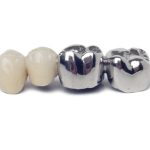



Yes, it’s possible, but there are several ways to avoid it. Dental crowns in Duncan are meant to protect and restore damaged teeth. The crowns protect the visible portions of the teeth and can last many years. But we’ve had patients who wonder, ”If the tooth is covered, can it still decay underneath?” The answer is yes, it can, especially if you are not keeping the area around your crown clean.
Let’s break down how this happens, what signals to look for, and how to maintain the health of your crown and the tooth underneath it for many years.
What Could Cause a Tooth Below a Crown to Go Bad?
While your crown is covering the tooth, there can still be problems forming below the crown over time. Here is how and why this happens:
- Decay happens at the edges of the crown —When bacteria get under the edges of your dental crown, they will create cavities where the crown meets your natural tooth.
- Poor oral hygiene—Failing to brush and floss properly can allow plaque to build up near the crown’s base, which could lead to decay or gum issues.
- Gum recession—Over time, gums can recede, exposing the edge of the crown or the root of the tooth, making the tooth vulnerable.
- Old or loose crowns—If a crown is loose or damaged, bacteria can get in, and decay can begin to form under a crown.
What are the signs of a problem under a crown?
Here are some indicators to look out for:
- Pain or sensitivity: If you have pain when biting down or drinking something cold or hot, it could mean decay or infection may be developing under the crown.
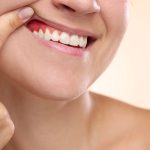
- Swelling or redness around the crown: This could be the start of a gum infection or a potential issue with the tooth beneath the crown.
- Bad taste or bad breath: An infected tooth or decayed tooth beneath a crown may create some pretty nasty smells or tastes.
- Loose crown: If your crown feels loose, it may not be sealing as it should and may allow bacteria access.
If you have any of these signs, you should go get an exam with your dentist in Duncan as soon as you can.
How Can You Protect the Tooth Under a Crown?
Good care can keep your crowned tooth strong and healthy. Here are some simple tips:
- Use fluoride toothpaste and a soft-bristled toothbrush to brush twice a day.
- Floss daily, making sure to clean around the base of the crown where it meets your gum.
- To aid in plaque control, use an antimicrobial mouthwash.
- Avoid hard or sticky foods that might damage or loosen your crown.
- See your dentist on a regular basis for examinations and cleanings.
Your dentist near you can check if your crown is still sealed properly and catch problems early before they become serious.
Can a Crowned Tooth Be Fixed If It Goes Bad?
Yes, but it depends on the problem. If it’s just a small cavity at the edge, your dentist might be able to fix it without removing the crown. But if the decay is deep or the tooth is infected, the crown may need to be removed so the tooth can be treated with a root canal or replaced with a new crown.
In some cases, if the tooth is badly damaged, it might need to be extracted. That’s why early care and regular checkups are so important.
Why Regular Dental Visits Matter
A crowned tooth still needs regular care and professional exams. Crowns can last many years, but they don’t make your tooth invincible. Visiting your dental team helps catch small issues before they turn into big problems.
Keep Your Smile Safe with Cowichan Valley Dental Group
At Cowichan Valley Dental Group, your comfort and smile matter. If you have concerns about your crown or just need a routine visit, the friendly team is here to help you every step of the way. Whether it’s your first crown or you’ve had one for years, they’ll make sure your oral health stays on track.
Need trusted dental care? Book your appointment today with Cowichan Valley Dental Group—because your smile deserves care that lasts.