


A sudden toothache can disrupt your entire day. Many patients call a dentist in Duncan when pain appears without warning. Tooth pain can range from mild discomfort to sharp throbbing. Knowing what to do right away can help you stay calm and manage the situation.
While home care may offer short-term comfort, it is important to understand what may be causing the pain. Learning about the causes of a sudden toothache can help you decide your next steps.
Common Causes of Sudden Toothache
Tooth pain does not happen without a reason. Some of the most common causes include:
- Tooth decay
- Cracked or chipped teeth
- Gum infection
- Food stuck between teeth
- Worn fillings
- Sinus pressure
Pain can feel different depending on the cause. It may be sharp, dull, constant, or come and go.
How to Relieve Tooth Pain at Home
If you cannot see a dentist right away, there are ways to manage discomfort. These are temporary tooth pain relief methods and not permanent solutions.
Rinse with Warm Salt Water
Salt water can help reduce bacteria and soothe irritated gums.
Use a Cold Compress
Placing a cold pack on the outside of your cheek may reduce swelling and numb the area.
Take Over-the-Counter Pain Relief
Follow the instructions carefully and never place medication directly on the gums.
Keep the Area Clean
Brush gently and floss carefully to remove trapped food.
Avoid Trigger Foods
Stay away from very hot, cold, or sugary foods if they increase pain.
These steps may provide temporary relief, but they do not treat the underlying problem.
When Tooth Pain Becomes Serious
Not all toothaches are emergencies, but some require prompt care. It is important to know when tooth pain becomes serious.
Seek professional help if you notice:
- Swelling in your face or jaw
- Fever
- Pus around the tooth
- Pain that lasts more than two days
- Trouble swallowing or breathing
These signs may indicate infection, which should not be ignored.
Why You Should Not Ignore Persistent Pain
Pain is your body’s way of telling you something is wrong. Ignoring it may allow the problem to worsen.
For example:
- A small cavity can grow deeper
- A cracked tooth can split further
- An infection can spread
Visiting a dentist near you as soon as possible can prevent more complex treatment later.
Tooth Sensitivity vs. Toothache
It is important to know the difference between general sensitivity and a true toothache.
Sensitivity often occurs when eating hot or cold foods. It may be brief and manageable.
A toothache usually feels stronger and may throb or ache continuously. This often signals a deeper issue.
The Importance of Early Diagnosis
Even if home care reduces the pain, the cause still needs to be examined. A dental checkup helps identify the exact problem.
Your dentist may use:
- A visual exam
- X-rays
- Gentle tapping tests
This allows accurate treatment planning.
Professional Treatment Options
Treatment depends on the cause of the pain.
- A filling may treat decay.
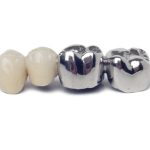
- A crown may protect a damaged tooth
- A root canal may remove infection
- An extraction may be needed in severe cases
Early care usually means simpler treatment.
Preventing Future Toothaches
You can lower your risk of future pain by following simple habits.
- Brush twice daily
- Floss every day
- Limit sugary snacks
- Wear a night guard if you grind your teeth
- Attend regular dental checkups
Prevention is always easier than emergency treatment.
What to Avoid During a Toothache
Some actions can make the pain worse.
- Do not apply heat to the swelling
- Do not ignore worsening symptoms
- Do not use sharp objects to remove food
- Do not delay professional care
Being careful protects your teeth and gums.
Managing Dental Anxiety During Pain
Tooth pain can make people anxious about visiting the clinic. However, delaying care often leads to more discomfort.
Modern dentistry focuses on comfort. Treatments are designed to reduce pain and improve healing.
A Calm Plan Forward
If your pain is mild and temporary, home care may help for a short time. But if discomfort continues, it is better to seek professional advice.
Understanding the warning signs gives you confidence in knowing when to act.
Relief Is Within Reach
Toothaches are uncomfortable, but they are treatable. We at Cowichan Valley Dental Group are here to provide caring and clear solutions when you need them. Book your appointment today and take a simple step toward lasting comfort and a healthier smile.
Frequently Asked Questions
What causes sudden tooth pain?
It can happen because of a cavity, a cracked tooth, a gum infection, or food stuck between teeth.
Can I fix a toothache at home?
No. Home remedies may ease the pain for a short time, but they do not solve the real problem.
How long should I wait before seeing a dentist?
If the pain lasts more than two days or gets worse, you should book a visit.
Is a toothache always a sign of infection?
Not always, but persistent pain should be evaluated to rule out infection.