


Root canal treatments can sound intimidating, but modern dental technology is changing the experience.
Many patients are discovering that root canal treatment is faster, more comfortable, and less stressful than ever before.
New tools and techniques help dentists work efficiently while keeping patients at ease.
This guide explains the latest advancements, what patients can expect, and how these tools improve the overall root canal experience.
What Is a Root Canal Treatment?
A root canal is a procedure that removes infected or damaged tissue from inside a tooth. It helps save teeth that might otherwise need to be extracted.
Traditionally, root canals were time-consuming and sometimes uncomfortable. With modern technology, these treatments have become fast and smooth.
Why Modern Tools Make a Difference
Advancements in dental instruments and imaging have changed the way root canal treatments are done. Key benefits include:
- Speed – Procedures are completed faster, often in a single visit.
- Precision – Digital imaging allows dentists to see the tooth’s interior clearly.
- Comfort – Minimally invasive techniques reduce discomfort during and after treatment.
These tools improve accuracy and make the process more predictable for both patients and dentists.
High-Tech Tools Used in Modern Root Canals
Digital Imaging and 3D Scans
Traditional X-rays give a flat image, but 3D scans show the tooth’s roots and surrounding structures in detail, which allows the dentist to plan treatment with precision.
- Detect tiny canals that might be missed with old methods
- Reduce the need for multiple appointments
Rotary Endodontic Instruments
Rotary tools spin tiny files to clean the root canals efficiently. Compared to manual tools, these instruments:
- Remove infected tissue faster
- Reduce the chance of errors or missed canals
- Make the procedure smoother and less tiring for patients
Ultrasonic Devices
Ultrasonic tools use vibrations to remove debris and clean hard-to-reach areas inside the tooth. This helps:
- Achieve a thorough cleaning
- Prepare the tooth for filling more effectively
Advanced Irrigation Systems
Modern irrigation tools deliver an antibacterial solution into the root canals to eliminate bacteria effectively as compared to traditional methods.
This reduces the risk of infection and improves long-term success.
Laser Technology
Some dental clinics now use lasers to disinfect canals and shape the inside of teeth. Lasers:
- Reduce the need for traditional drilling
- Promote faster healing
- Minimise discomfort for sensitive patients
What Patients Can Expect During a Modern Root Canal
Even with new tools, the basic steps remain similar:
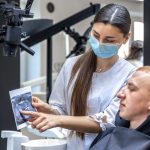
- Assessment – Your dentist will use digital imaging to see the tooth’s condition.
- Anesthesia – Local anesthesia ensures the procedure is painless.
- Cleaning – Advanced rotary or ultrasonic tools remove infected tissue.
- Shaping and Filling – The canals are shaped and filled with biocompatible material.
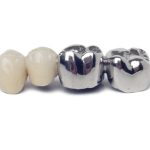
- Restoration – A crown or filling restores the tooth’s function and appearance.
Thanks to modern technology, each step is quicker, more precise, and more comfortable than traditional methods.
Why Quick Procedures Matter
- Less anxiety – Shorter procedures reduce stress for nervous patients.
- Fewer appointments – Many root canals can now be completed in a single visit.
- Faster recovery – Modern tools reduce tissue trauma, helping you heal sooner.
Choosing the Right Dental Clinic for Modern Root Canals
When searching for a dental clinic in Duncan, consider clinics that use modern root canal tools. Ask about:
- Digital imaging capabilities
- Rotary and ultrasonic instruments
- Laser-assisted procedures
- Patient comfort practices
A practice that embraces advanced technology can make a root canal a faster, easier, and more comfortable experience.
Differences Between Traditional and Modern Root Canals
| Feature | Traditional Root Canal | Modern Root Canal |
| Imaging | 2D X-rays | Digital 3D scans |
| Cleaning | Manual files | Rotary & ultrasonic tools |
| Time | Multiple visits are often required | Single-visit possible |
| Comfort | More discomfort | Minimally invasive, smoother |
| Success Rate | High but variable | Higher precision and predictability |
What are the Post-Treatment Care Tips You Should Consider
Even with advanced tools, proper aftercare is important:
- Avoid hard or sticky foods for a few days
- Use pain relievers if recommended
- Maintain good oral hygiene to prevent reinfection
- Attend follow-up visits to ensure healing
Modern techniques can reduce pain and swelling, but following instructions helps the tooth last longer.
Protecting Your Teeth After a Root Canal
Root canal treatment saves your natural tooth, but good oral hygiene is essential:
- Brush twice a day and floss daily
- Visit your dentist for regular checkups
- Avoid chewing hard foods on the treated tooth until it is fully restored
Following these steps helps your tooth remain healthy and functional for years.
Modern Root Canals in Duncan
Thanks to technology, root canal treatment in Duncan is now faster, safer, and more comfortable. Practices that use digital imaging, rotary instruments, and lasers provide patients with a better experience from start to finish.
For personalised guidance on modern root canal procedures, scheduling a consultation with Cowichan Valley Dental Group can help you understand your options and feel confident about your tooth health.
Getting here is simple — just follow us on Google Maps for the best route. 📍
FAQs
Are modern root canals painful?
Several patients experienced minimal discomfort thanks to anesthesia and modern tools.
How long does a modern root canal take?
Many procedures can be completed in one visit, often within an hour.
Can all teeth be treated with these new tools?
Most teeth are treatable, but complex cases may require additional care.
How successful are modern root canals?
Success rates are high due to precise imaging and cleaning techniques.