


A dental problem can happen when you least expect it. A sudden toothache, a broken tooth, a lost filling, or an injury can leave you wondering what to do next. Staying calm and knowing how to respond can make the situation easier to manage. Promptly contacting a dental clinic in Duncan allows the dental team to understand your symptoms, assess the urgency of the problem, and arrange appropriate care.
What Is Considered a Dental Emergency?
Some dental problems can wait for a regular appointment, while others need attention sooner. Sudden pain, swelling, an injured tooth, or a damaged filling or crown are signs that you should contact your dental team.
Common examples include:
- A severe or persistent toothache
- A broken or cracked tooth
- A knocked-out permanent tooth
- Swelling around a tooth or gums
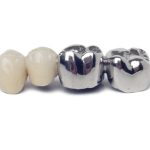
- A lost filling or crown
- An injury involving the teeth or mouth
If you are unsure whether your situation is urgent, calling a dental clinic near you can help you understand what to do next.
What Should You Do for a Severe Toothache?
A toothache can develop for many reasons, including decay, infection, a damaged tooth, or problems with an existing restoration.
Gently rinse your mouth and keep the area clean. Avoid placing aspirin or other medications directly against the tooth or gums. Contact your dentist so the cause of the discomfort can be properly assessed.
Pain that becomes stronger, continues for an extended period, or occurs with swelling should not be ignored.
What If You Break or Chip a Tooth?
If part of your tooth breaks, rinse your mouth gently and contact your dentist. If you can find the broken piece, keep it and bring it with you to your appointment.
Avoid chewing on the affected side until the tooth has been examined. Depending on the amount of damage, treatment may involve bonding, a filling, a crown, or another suitable option.
Patients seeking emergency dentistry in Duncan should explain how the injury happened and describe any pain or sensitivity when contacting the dental team.
What Should You Do If a Permanent Tooth Is Knocked Out?
If a permanent tooth gets knocked out, getting dental care quickly is important. Pick up the tooth by the top part you normally see, avoiding the root.
If needed, rinse it gently without rubbing or scrubbing it. Call your dentist right away for advice and arrange an emergency visit as soon as possible.
Quick action is important because the dentist will need to examine both the tooth and the surrounding area before determining what can be done.
What About a Lost Filling or Crown?
Losing a filling or crown may leave the tooth sensitive or uncomfortable. Avoid chewing on that side and keep the area clean until you can see your dentist.
Do not try to repair the restoration yourself permanently. A dentist needs to examine the tooth to determine whether the existing restoration can be replaced or another treatment is needed.
When searching for emergency dentistry near you, let the dental team know if you have lost a restoration and whether you are experiencing pain or sensitivity.
When Should You Seek Prompt Dental Care?
Waiting too long to address certain dental concerns can sometimes make the problem worse. It is best to contact your dental team if you notice any of the following:
- Significant or increasing swelling
- Persistent or severe dental pain
- A loose or displaced permanent tooth
- Dental trauma
- A badly broken tooth
- Other sudden changes that concern you
For severe facial swelling, difficulty breathing or swallowing, or serious facial trauma, seek emergency medical attention.
Be Prepared When a Dental Emergency Happens
An unexpected dental problem can be worrying, but knowing where to turn can make things easier. At Cowichan Valley Dental Group, our team is ready to assess your concerns and help you understand what care you may need. Contact us today if you experience a sudden dental issue and need professional attention.
Frequently Asked Questions
1. Is a severe toothache a dental emergency?
Persistent or intense tooth pain should be assessed promptly to identify and treat the underlying cause.
2. What should I do with a broken tooth?
Rinse your mouth, save any broken pieces you find, and contact your dental team promptly.
3. Can a knocked-out permanent tooth be saved?
Sometimes. Getting professional dental care quickly may improve the chances of successfully saving the affected tooth.
4. What should I do if my crown falls out?
Keep the crown safe, avoid chewing on that tooth, and arrange a dental appointment as soon as possible.
5. Should I ignore a toothache if it disappears?
No. Dental pain can improve temporarily even when the underlying problem still requires professional attention.
6. When does swelling require urgent attention?
Increasing facial swelling, especially with breathing or swallowing difficulties, requires prompt medical assessment and appropriate care.