

An impacted tooth is a tooth that cannot come through the gums normally. This often happens with wisdom teeth, but other teeth can also become impacted. If an impacted tooth causes pain, swelling, infection, or pressure on nearby teeth, treatment may be needed. A dentist in Duncan can check the tooth and decide if oral surgery is needed. The process usually starts with a dental exam and images. Your dentist will then explain the procedure and what to expect during recovery.
Learning about the steps before, during, and after surgery can help you know what to expect and feel more ready for your treatment.
How Is an Impacted Tooth Checked?
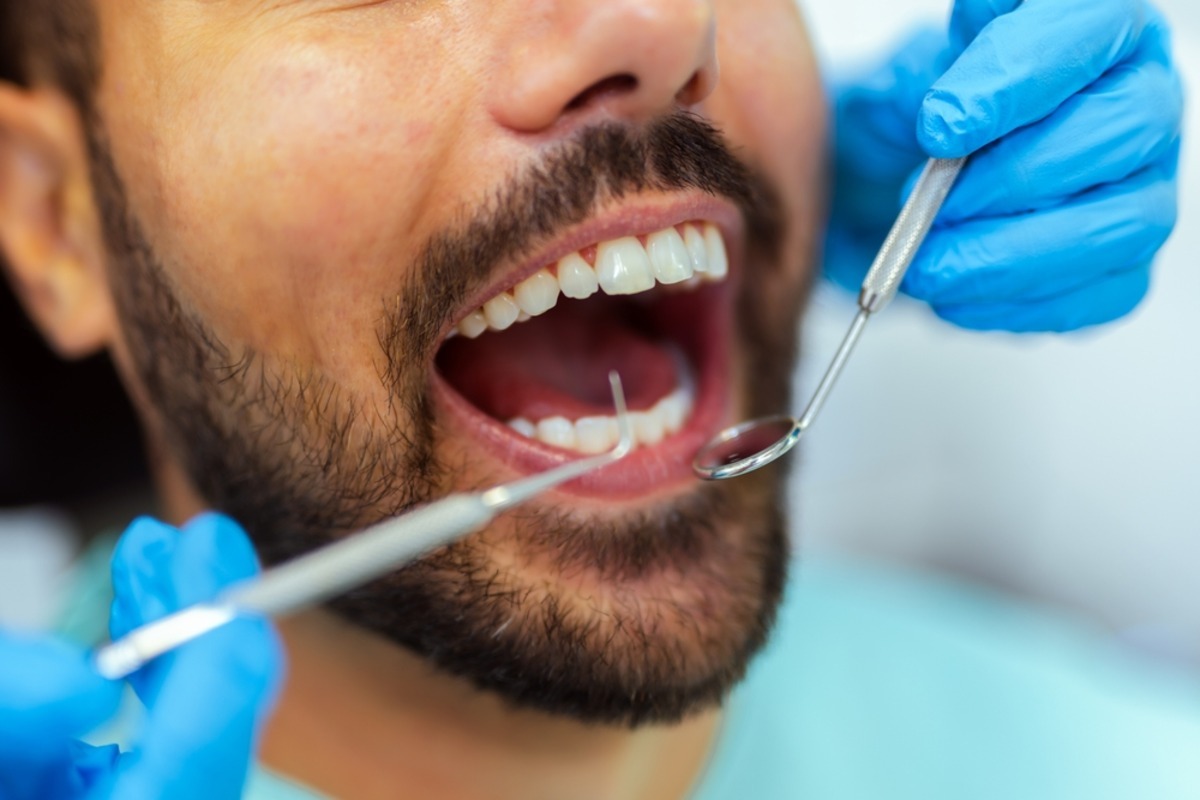
Before surgery, the affected area is carefully examined. Dental images may be taken to show the tooth’s position and how it relates to nearby teeth, roots, and the jaw.
The examination helps determine:
- Where the impacted tooth is located
- How much of the tooth is covered by gum or bone
- Whether nearby teeth are affected
- Whether there are signs of infection or other problems
- What type of treatment may be needed?
This information helps create a treatment plan suited to your dental needs.
What Happens Before Oral Surgery?
Before oral surgery in Duncan, the planned procedure is explained to you. You can discuss the steps, type of numbing or sedation that may be used, and what to expect after treatment.
You may also receive instructions about:
- Eating and drinking before the procedure
- Medicines you currently take
- Arranging a ride home if sedation is planned
- Foods to prepare for after surgery
- How to care for the treated area
Following these instructions can help you prepare for the procedure and recovery.
How Is the Impacted Tooth Removed?
During surgery, the area is numbed so you do not feel the surgical work in the same way you would during an untreated procedure. The exact steps depend on how deeply the tooth is impacted.
The process may involve:
- Making a small opening in the gum to reach the tooth.
- Removing a small amount of bone if it is covering the tooth.
- Dividing the tooth into smaller sections when needed.
- Carefully removing the tooth.
- Cleaning the area and placing stitches if required.
The approach depends on the tooth’s position and the surrounding structures.
What Can You Expect After Surgery?
After the procedure, some soreness, swelling, or tenderness can occur. These effects are often more noticeable during the first few days and usually improve as the area heals.
Your aftercare instructions may include:
- Keeping the area clean as directed
- Eating softer foods for a short period
- Avoiding pressure on the treated area
- Taking recommended medicines as directed
- Following instructions about physical activity
A dentist near you can also explain what is normal during recovery and when you should contact the dental team.
When Is Oral Surgery Recommended?
Not every impacted tooth needs to be removed. Treatment depends on the tooth’s position, symptoms, and possible effect on your oral health.
Surgery may be considered when an impacted tooth:
- Causes repeated pain or swelling
- Becomes infected
- Damages or pushes against a nearby tooth
- Contributes to gum problems
- Cannot come through the gums properly
An evaluation helps determine whether removal is appropriate.
How Long Does Recovery Take?
Recovery time can vary based on the tooth, the type of surgery, and how your body heals. Some soreness and swelling are normal after surgery and should slowly get better.
After oral surgery near you, your dental team will explain how to care for your mouth at home. These steps will depend on the type of treatment you had. Following the advice and attending any follow-up visits can help support a smooth recovery.
Know What to Expect Before Your Tooth Surgery!
Understanding how impacted tooth surgery works can help you feel more prepared for the examination, procedure, and recovery. A dental evaluation can also help identify the cause of your symptoms and determine whether tooth removal is the right option for you. Book an appointment with Cowichan Valley Dental Group to have your impacted tooth assessed and receive clear information about your treatment options and the next steps.
FAQs
Can an impacted tooth damage nearby teeth?
Yes. An impacted tooth can press on nearby teeth or make the area harder to clean. A dental exam and images can help find these problems.
Will the impacted tooth be removed in one piece?
Not always. If the tooth is hard to remove, the dentist may split it into smaller pieces. This can make removal easier and safer.
What should I eat after impacted tooth surgery?
Soft foods are usually easier to eat after surgery. Choose foods that need little chewing and follow your dentist’s instructions.
When should I contact the dental team after surgery?
Contact your dental team if your symptoms get worse or you are worried about your recovery. Follow the care instructions given after surgery.