

Dental anxiety is a widespread concern that prevents millions of people from seeking routine oral health care. Whether triggered by sensitive teeth, a fear of needles, or past uncomfortable experiences in a clinic chair, feeling nervous before an appointment is completely natural. Fortunately, modern restorative and preventive dentistry offers safe, gentle methods to help you stay comfortable throughout your visit.
Nitrous oxide, also referred to as laughing gas, is one of the most accessible and efficient sedative choices if you’re searching for a helpful dentist in Duncan to assist in managing dental stress. You can feel more at ease before your next session if you know how this mild sedative works and what to anticipate.
What Is Nitrous Oxide Dental Sedation?
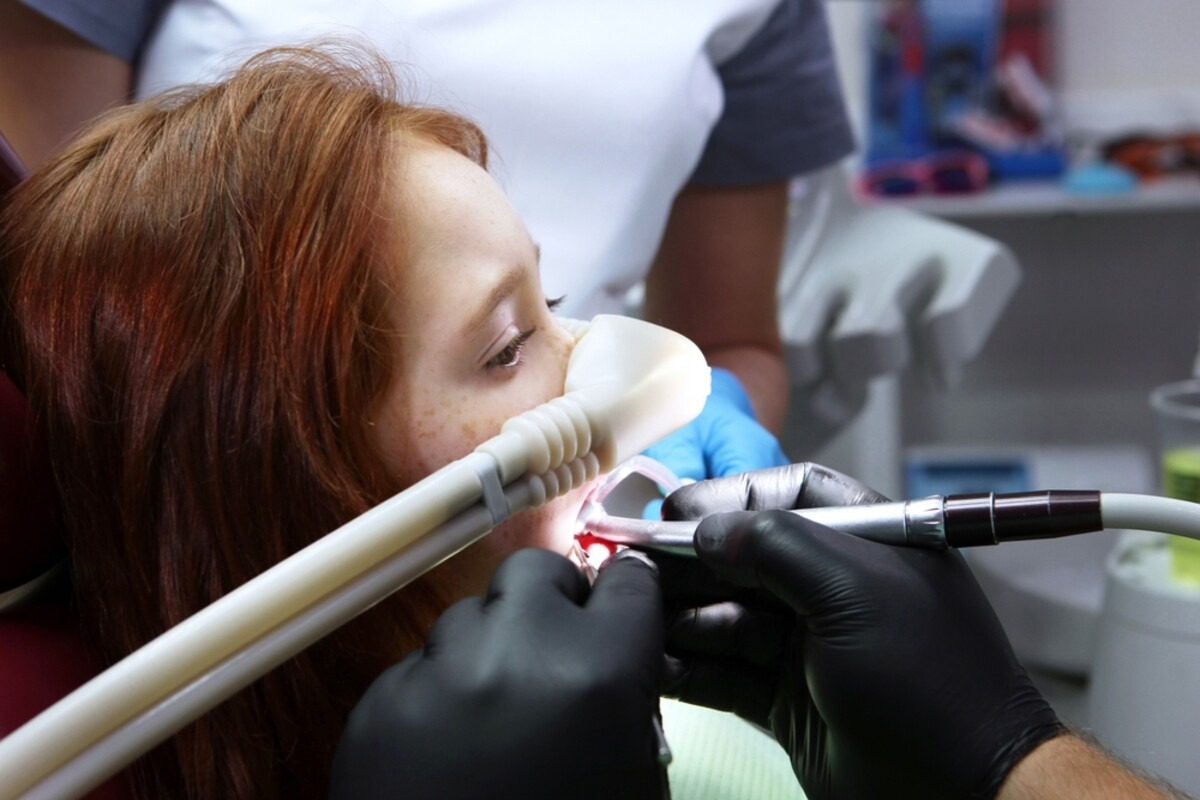
Inhaled through a little, comfortable nose mask, nitrous oxide is a colourless, odourless, and non-irritating gas that is mixed with pure oxygen. You stay completely aware, responsive, and able to interact with your dental team during the whole operation, making it the perfect type of conscious sedation.
When patients ask, “ What does nitrous feel like?”, the best description is a sudden wave of deep physical relaxation combined with a light, floating sensation. It does not put you to sleep, but it significantly reduces anxiety, dulls minor discomfort, and makes time seem to pass much faster in the chair.
Choosing nitrous sedation in Duncan allows you to undergo necessary dental treatments from routine cleanings to fillings or crowns with complete peace of mind and zero lingering grogginess.
What Does Laughing Gas Feel Like During Treatment?
Everyone experiences sedation slightly differently, but most patients report a remarkably consistent set of pleasant physical and mental sensations. Here is what you can expect to feel while breathing nitrous oxide:
- Lightheadedness or Floating: You may feel pleasantly weightless, as if you are floating gently in your chair, or comfortably heavy and relaxed.
- Tingling in the Extremities: A mild, warm tingling sensation often starts in your fingers and toes, slowly spreading through your arms and legs.
- Warm, Soothing Body Waves: Physical tension melts away as your muscles relax completely, taking the stress out of your shoulders and jaw.
- Euphoria and Amusement: While it rarely causes uncontrollable laughing, nitrous oxide induces a gentle, happy mood where minor worries fade away.
- Muffled Sound and Reduced Pain: Background clinic noises sound distant, and your body’s perception of minor discomfort or pressure is significantly dulled.
Key Advantages of Choosing Laughing Gas
Nitrous oxide remains the most popular form of dental sedation because it offers unmatched control, speed, and safety for patients of all ages.
1. Rapid Onset and Custom Adjustments
Unlike oral sedation pills that take up to an hour to kick in, nitrous oxide takes effect within two to three minutes of breathing the mixture. Your practitioner can adjust the concentration level instantly throughout your treatment to ensure ideal comfort.
2. Zero Post-Treatment Grogginess
One of the greatest benefits of laughing gas is how quickly it leaves your system. Once your dental procedure is finished, the sedation gas is turned off, and you breathe pure oxygen for three to five minutes. This completely flushes the gas from your lungs, restoring full mental clarity immediately.
3. No Need for an Escort Driver
Because the effects reverse so quickly, adult patients do not need a friend or family member to drive them home after their visit. You can safely drive yourself to and from the clinic and return to your normal daily routine, work, or school right away.
4. Reduced Gag Reflex
In addition to easing anxiety, nitrous oxide temporarily calms a sensitive gag reflex. This makes taking digital impressions, taking X-rays, or working on back molars much easier and more comfortable.
Who Is a Good Candidate for Nitrous Sedation?
Nitrous oxide is exceptionally safe and suitable for a wide range of patients, including children who feel nervous about dental visits or adults undergoing complex restorative work.
It is an ideal choice if you experience:
- Mild to moderate dental anxiety or dental phobia.
- Sensitive teeth or a low pain tolerance.
- A strong, reactive gag reflex.
- Difficulty sitting still in a chair for extended appointments.
- Fear of needles or local anesthetic injections.
When consulting a dentist near you, your dental team will review your medical history to ensure nitrous oxide is safe for you. While safe for almost everyone, it may be avoided during the first trimester of pregnancy or for patients with severe respiratory conditions like COPD or middle ear infections.
Don’t Wait-Restore Your Smile Today!
If dental anxiety has been keeping you from getting the comfortable care you deserve, the compassionate team at Cowichan Valley Dental Group is here to help you relax.
Contact Cowichan Valley Dental Group today to schedule your stress-free consultation!
Frequently Asked Questions
Does laughing gas put you completely to sleep during dental procedures?
No, during your treatment, laughing gas keeps you completely aware, cognisant, and able to respond to enquiries.
Can I drive myself home after receiving nitrous oxide at the dentist?
Yes, breathing pure oxygen flushes the gas quickly, allowing you to drive home safely right after.
Are there any common side effects associated with breathing laughing gas?
Side effects are rare, but mild nausea or slight dizziness can occur if received on a full stomach.
How fast does nitrous oxide take effect once you start breathing it?
You will begin feeling the relaxing, tingling effects of nitrous oxide within two to three minutes.
Is nitrous oxide sedation safe for children during routine dental appointments?
Yes, nitrous oxide is an extremely safe, gentle, and effective sedation option for pediatric dental patients.