

When a tooth is cracked, worn, weakened, or heavily restored, a dental crown may be recommended to protect it. Crowns come in different materials, and two commonly discussed options are porcelain and metal. If you are unsure which one may suit your needs, a dentist in Duncan can examine your tooth and explain the differences. Factors such as the tooth’s location, appearance, strength, and your bite can all influence the decision
What Is a Dental Crown?
A dental crown is a custom-made restoration that covers the visible portion of a damaged or weakened tooth. It helps restore the tooth’s shape and function while providing additional protection.
A crown may be considered when a tooth:
- Has a large filling
- Is cracked or weakened
- Has significant wear
- Has undergone root canal treatment
- Needs improvement in shape or appearance
Your dentist will assess how much healthy tooth structure remains before recommending treatment.
What Are Porcelain Crowns?
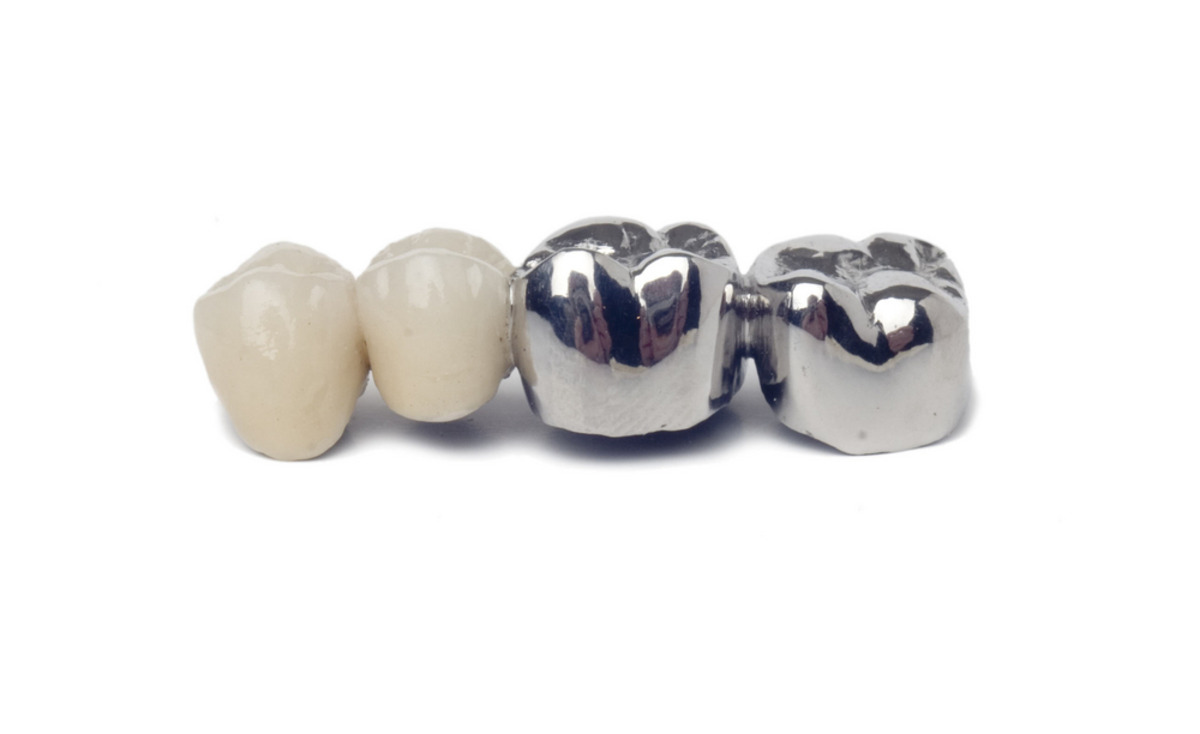
Porcelain crowns are designed to resemble natural teeth. Their colour can be selected to blend with the surrounding teeth, making them a popular choice for visible areas of the smile.
Porcelain also reflects light in a way that can closely resemble natural enamel. However, the suitability of this material depends on the tooth being treated and the biting pressure it experiences.
Patients considering dental crowns in Duncan can discuss whether porcelain provides the right balance of appearance and function for their needs.
What Are Metal Crowns?
Metal crowns are made using dental alloys and are known for their strength. They can handle significant chewing pressure and generally require less removal of natural tooth structure than some other crown materials.
Their main difference is appearance. Because metal crowns do not match the natural colour of teeth, they are more noticeable. For this reason, they may be considered for back teeth where appearance is less of a concern.
Porcelain vs. Metal Crowns: What’s the Difference?
Both materials are designed to protect and restore teeth, but each has different characteristics.
| Feature | Porcelain Crowns | Metal Crowns |
| Appearance | Closely resembles natural teeth | Has a metallic appearance |
| Strength | Strong but may be more prone to chipping | Highly resistant to wear and breaking |
| Common Placement | Often considered for visible teeth | Commonly considered for back teeth |
| Tooth Colour | Can be matched to nearby teeth | Does not match natural tooth colour |
| Chewing Pressure | Suitability depends on bite forces | Handles strong chewing forces well |
| Main Benefit | Offers a natural-looking result | Known for strength and durability |
A dentist near you can help you compare these differences based on your tooth’s location and condition.
How Do You Choose the Right Crown?
There is no single crown material that is right for every patient. The best choice depends on your individual tooth and treatment needs.
Your dentist may consider:
- Where the tooth is located
- How much chewing pressure it receives
- The amount of tooth structure remaining
- Your bite
- Your preference for appearance
- The condition of nearby teeth
Talking through these factors with your dentist can help you understand why one material may be recommended over another.
How Should You Care for a Dental Crown?
Although a crown covers the tooth, the natural tooth underneath and the surrounding gums still require regular care.
Brush twice a day and clean between your teeth daily. Avoid using your teeth to open packages or bite very hard objects. Regular dental visits also allow your dental team to check the crown and the tooth supporting it.
Restore and Protect Your Smile
The right crown can help protect a weakened tooth and keep your smile functioning comfortably. At Cowichan Valley Dental Group, we take the time to understand your needs and recommend care that works for you. Contact our team today to book an appointment and explore your options for restoring your tooth.
Frequently Asked Questions
1. Do porcelain crowns look like natural teeth?
Yes, porcelain crowns can be closely matched to your natural tooth colour for a more seamless appearance.
2. Are metal crowns stronger than porcelain crowns?
Metal crowns are highly durable and can withstand considerable chewing pressure, especially on back teeth.
3. How long can a dental crown last?
A crown’s lifespan varies depending on material, oral hygiene, bite forces, habits, and regular dental care.
4. Can a crown be placed on a front tooth?
Yes, crowns can restore front teeth, with tooth-coloured materials often considered when appearance is important.
5. Can I eat normally with a crown?
Yes, most people eat normally after placement, although avoiding very hard foods helps protect the restoration.
6. How do I care for my crown?
Brush twice daily, clean between your teeth, and attend regular checkups to maintain your restored tooth.