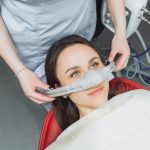



Achieving a bright, radiant smile is an exciting milestone. Whether you have just finished an in-office treatment or a professional take-home kit, the first 48 hours are the most critical for your long-term results. During this window, your tooth enamel is slightly more porous and susceptible to new stains as it rehydrates. If you have visited a dentist in Duncan for this procedure, you have already made a significant investment in your appearance. To protect that investment, you must be mindful of your habits immediately following the session to ensure your teeth remain brilliantly white for as long as possible.
Why Is The “White Diet” So Important?
The most vital rule following a professional treatment is strictly adhering to the “White Diet” for at least two days. Because your enamel is temporarily more absorbent, any dark-colored pigments can penetrate deep into the tooth structure. When exploring cosmetic dentistry near you, most experts will advise you to avoid “chromogenic” foods and drinks. This includes coffee, tea, red wine, soy sauce, and chocolate. Instead, stick to light-colored options like white rice, chicken, and white fish. This prevents “re-staining” while the enamel pores are still closing back up.
What Are The Best Teeth Whitening Aftercare Tips For Sensitivity?
It is perfectly normal to experience a temporary increase in sensitivity to temperatures after a bleaching session. To manage this, one of the most effective teeth whitening aftercare tips is to avoid extreme temperatures in your food and beverages. Drinking ice-cold water or piping hot soup can cause sharp sensations that are uncomfortable during the recovery phase. Stick to room-temperature liquids for the first 48 hours. Additionally, using a toothpaste specifically designed for sensitive teeth can help soothe the nerves and provide a protective barrier.
Why Should You Avoid Acidic Foods And Drinks?
Acidic items like lemons, oranges, pickles, and carbonated sodas should be avoided immediately after whitening. Professional whitening agents slightly alter the surface chemistry of the enamel to lift stains, making it temporarily more sensitive to acid erosion. If you consume high-acid foods during this time, you risk weakening the enamel. If you have questions about specific foods, a dentist near you can provide a comprehensive list of items to skip. Soft drinks are particularly risky because they combine high acidity with dark dyes.
How Does Tobacco Use Affect Freshly Whitened Teeth?
Smoking or using tobacco products is the fastest way to ruin a professional whitening treatment. Tobacco contains tar and nicotine; while nicotine is colorless, it turns yellow when mixed with oxygen. When your enamel is in its post-treatment porous state, these yellow and brown pigments can seep into the teeth almost instantly. If you cannot quit entirely, try to abstain for at least 72 hours. Introducing concentrated tobacco smoke immediately after treatment can lead to uneven, splotchy discoloration that is very difficult to correct.
What Should Be On Your White Diet Shopping List?
To help you prepare for the critical 48-hour recovery window, here is a curated shopping list of safe, non-staining items. Stocking your pantry with these “white” foods ensures you won’t accidentally reach for something that could dull your results.
- Proteins: Skinless chicken breast, white fish (cod, tilapia), egg whites, and plain tofu.
- Grains: White rice, white pasta (no red sauce), white bread (crust removed), and flour tortillas.
- Dairy: Plain yogurt, cottage cheese, white cheeses (mozzarella, feta), and skim milk.
- Produce: Cauliflower, peeled potatoes, bananas, and peeled white pears.
- Beverages: Still or sparkling water, coconut water, and milk.
What Hygiene Habits Should You Change Temporarily?
While you should never stop brushing, you may need to adjust your technique for a day or two. Avoid using abrasive “whitening” toothpastes immediately after a professional session, as these can be too harsh on sensitized enamel. Also, steer clear of colored mouthwashes, such as those that are bright blue or green, as your teeth can absorb the synthetic dyes. Use a soft-bristled brush and gentle, circular motions. Proper hygiene ensures that plaque does not build up and create a layer that could trap new stains.
Preserving Your Brighter Smile
Maintaining the results of your whitening treatment requires discipline and proper care. By avoiding dark pigments and harsh acids during the initial recovery period, you allow your enamel to stabilize and lock in its new, brighter shade. A radiant smile is a powerful tool for your self-esteem, and taking these small precautions ensures that your results last for many months to come. Consistency in your aftercare is the secret to a long-lasting, Hollywood-ready look that stays healthy. At Cowichan Valley Dental Group, we are committed to helping you achieve and maintain the smile of your dreams. Our team provides detailed guidance and professional support to ensure your whitening experience is comfortable and successful. If you are ready to brighten your smile or have questions about your post-treatment care, contact us today to book an appointment.
Getting here is simple — just follow us on Google Maps for the best route. 📍
FAQs
How long should I wait to eat staining foods?
Most professionals recommend waiting a full 48 to 72 hours before reintroducing dark pigments like coffee or red wine into your diet.
Is it ok to use a straw for dark drinks?
Using a straw can help bypass the front teeth, but it is still safest to avoid staining liquids entirely for the first few days.
Can I wear colored lipstick after whitening?
It is best to avoid dark or bright red lipsticks for 24 hours, as they can smudge onto the teeth and cause accidental staining.
What should I do if my teeth feel very sensitive?
Rinse with lukewarm salt water and use a desensitizing toothpaste; the feeling should subside within a day or two.